Concept
Establish the vehicle interface, aesthetic direction and load requirements.
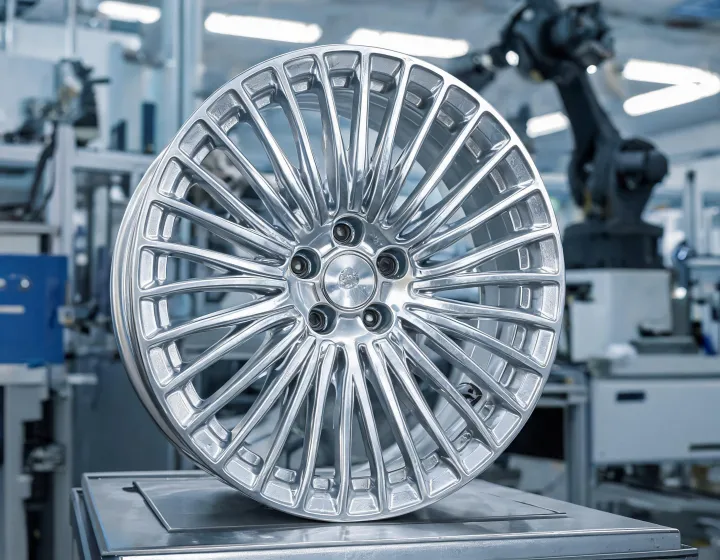
Wheel development is a sequence of material, geometry and process decisions that must work together.
Establish the vehicle interface, aesthetic direction and load requirements.
Translate the concept into a drawing and an agreed validation plan.
Connect forming, machining and finishing to process controls.
Use inspection and test evidence to support a release decision.
Rim dimensions, PCD, offset and center bore define the mounting interface.
Material and forming choices are considered alongside shape, load and volume.
Dimensional checks and radial and lateral runout support drawing conformance.
Drawing revisions and sample records keep decisions visible across teams.
Review samples against the current drawing and agreed acceptance criteria before a production release.
Identify critical steps and connect inspection results to the relevant production records.
Assess changes to geometry, tooling or finish for their effects on fitment and evidence.
Certification and regulatory claims require evidence for the relevant facility, product and destination. A quality management certificate does not by itself establish product approval, and performance depends on the specific design and test conditions.
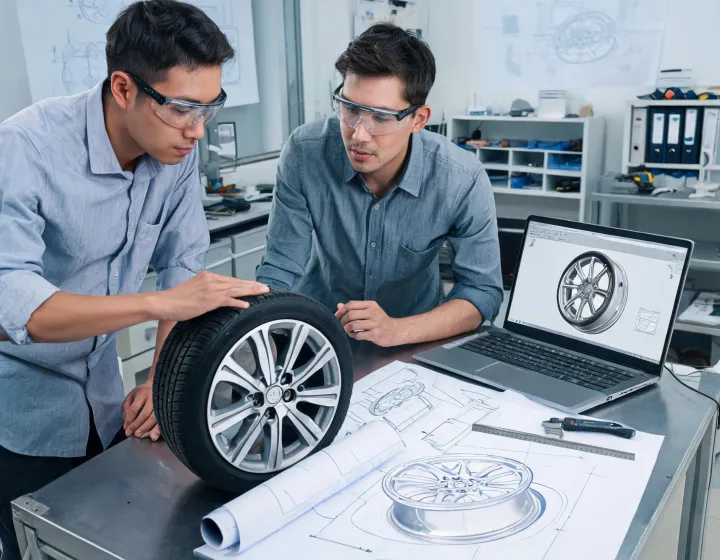
Open technical discussion makes uncertainty visible early. We value clear requirements, practical tradeoffs and records that can be understood by the next team in the program.
Share a target application and drawing status to begin a focused discussion. The most useful answer comes from knowing how the wheel will be mounted and used.
Bring a concept, an existing drawing or a fitment question.
Contact the team