BBS Wheel Lab explores the load path
Materials, simulation and physical testing are most useful when they answer the same engineering question.
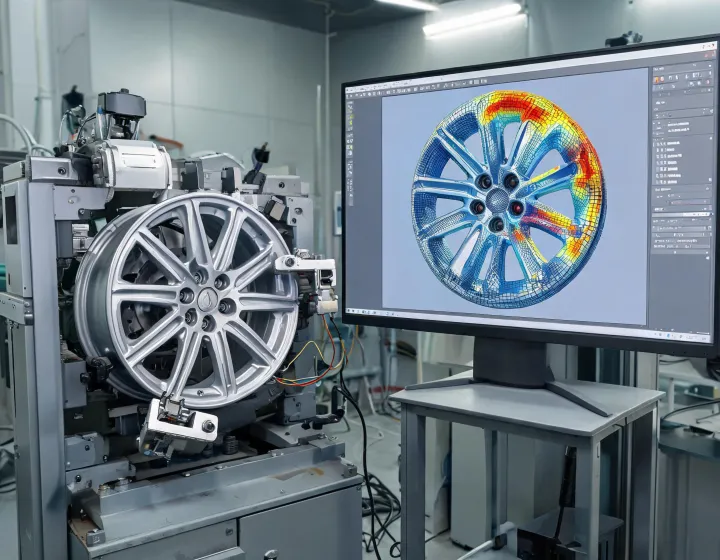
From a model to a measurable result
A digital model can help identify areas to investigate, but its value depends on the boundary conditions and material assumptions supplied. We start by identifying the vehicle interface and loads, then define what a prototype or rig test must establish. Simulation and physical evidence can inform one another as the design evolves.
“A useful test begins with a clear question.”
Forged wheels may suit low-volume programs seeking strength-to-weight efficiency and custom dimensions, while cast or flow-formed designs may offer complex shapes and economies at production scale. Tooling investment, lead time and inspection requirements vary with the design; neither process guarantees a particular mass or fatigue life. No reduction in mass or increase in life is assumed without a defined baseline and test method.
Questions for the lab
Inside the development loop
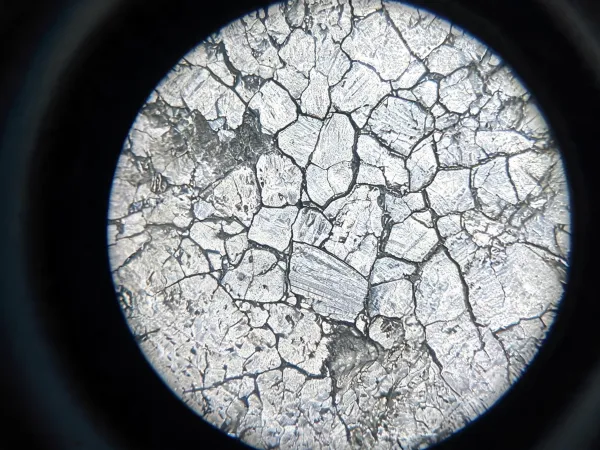
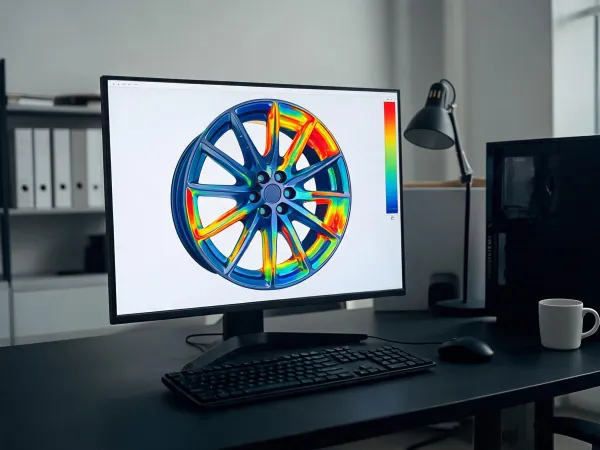
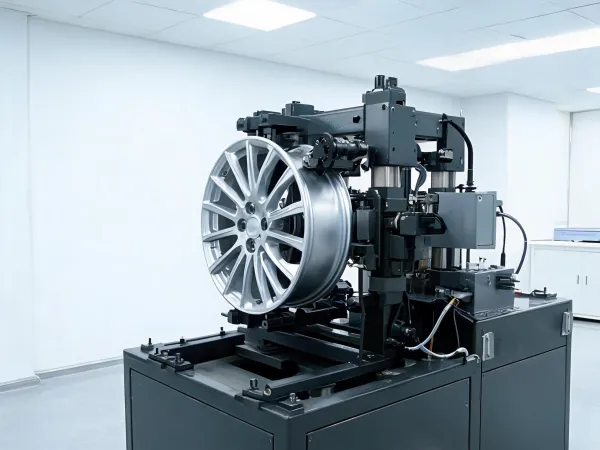
Material evaluation, numerical analysis and test fixtures each contribute different evidence. The program team decides how these methods apply to the wheel, target market and intended use.
Bring a development question
Tell us about the interface, target load and stage of your wheel concept.